Skip to content
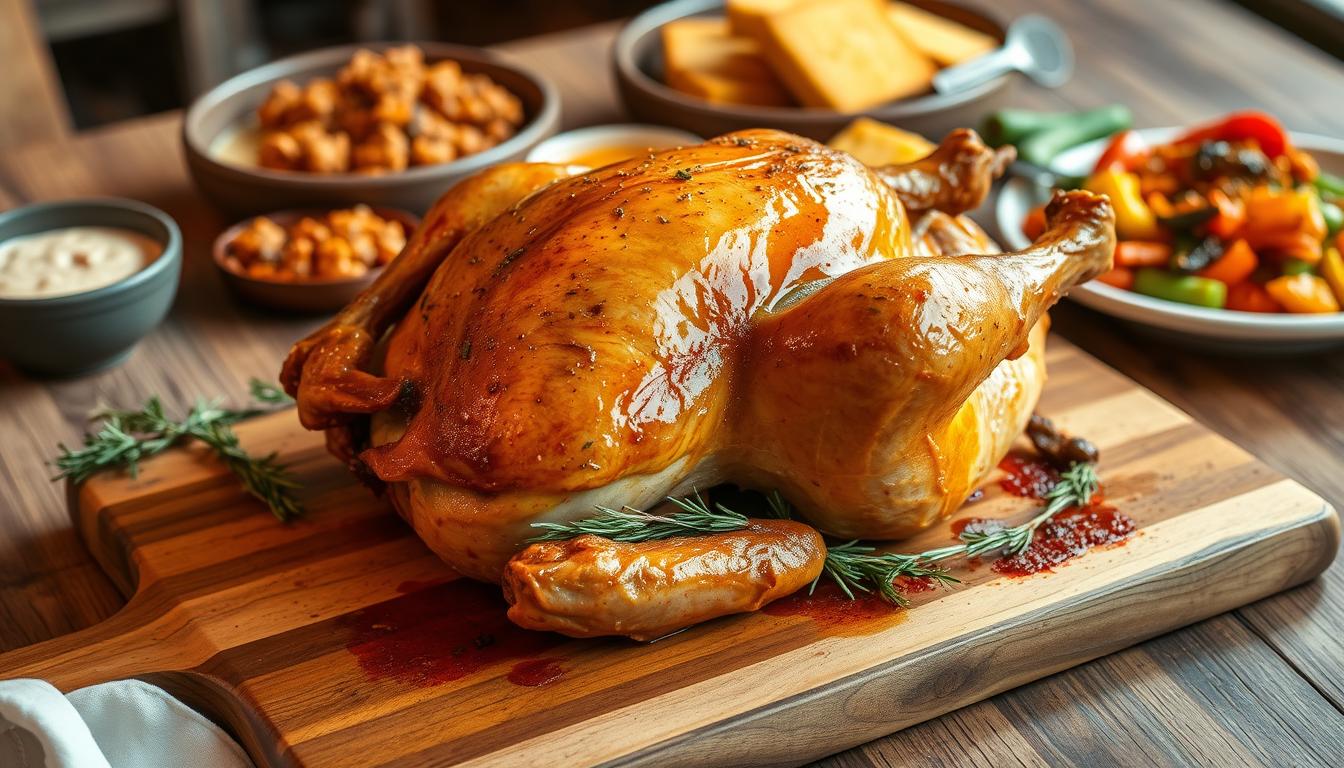
How to Make Cajun Turkey at Home | Step-by-Step Recipe
Growing up in Louisiana, I learned that a holiday dinner is more than food. It’s a celebration of flavor, tradition, and family. The Cajun turkey recipe is a cherished secret passed down through generations. It turns a simple turkey into a culinary masterpiece that captures Louisiana’s vibrant spirit.
Looking to make your holiday dinner special? A Cajun turkey recipe is a bold and exciting choice. Imagine a turkey with complex spices, crispy skin, and deep flavor. Your guests will be asking for seconds.
This isn’t just another turkey recipe. It’s a journey into the rich culinary traditions of the bayou. Every bite tells a story of passion, heritage, and exceptional taste. Whether you’re a seasoned cook or new to holiday meals, this Cajun turkey recipe will help you create a memorable feast. It brings the warmth of Louisiana right to your table.
Key Takeaways
- Discover the authentic flavors of Louisiana cuisine
- Transform your holiday dinner with a spicy Cajun twist
- Learn traditional seasoning techniques
- Create a memorable meal that celebrates family tradition
- Master the art of preparing a perfectly seasoned turkey
Understanding the Louisiana Tradition Behind Cajun Turkey
Explore the deep roots of Louisiana’s cuisine, where every dish shares a story of survival and taste. Cajun seasoning comes from a journey of survival and adaptation. It blends French-Acadian traditions with Southern ingredients.
The story of Cajun cooking starts with Acadian immigrants from Canada. They settled in Louisiana’s bayous in the 18th century. These settlers used local ingredients to create a unique cooking tradition that’s now famous.
Origins of Cajun Seasoning and Cooking Methods
Cajun seasoning is more than a spicy turkey rub. It’s a cultural symbol. The mix usually includes:
- Paprika
- Cayenne pepper
- Garlic powder
- Onion powder
- Dried herbs
The Cultural Significance of Spicy Turkey in Southern Cuisine
In Southern kitchens, spicy turkey is more than food. It’s a celebration of family and community. The bold flavors of cajun seasoning show the spirit of Louisiana’s food scene.
| Culinary Aspect | Cajun Characteristic |
|---|---|
| Flavor Profile | Bold and Spicy |
| Cooking Style | Rustic and Hearty |
| Cultural Origin | Acadian Immigrant Influence |
What Makes a Turkey “Cajun Style”
A Cajun-style turkey is more than just seasoning. It’s about intense spice combinations, deep marination, and cooking that seals in flavor. This creates a crispy, unforgettable outside.
Essential Ingredients for Your Cajun Turkey Recipe
To make a real Cajun turkey, you need the right ingredients. Your spicy turkey rub is key to bringing Louisiana’s flavors to life. The right mix of cajun seasoning turns a regular turkey into a dish that will wow your guests.
Choosing the right spices and herbs is the first step in making great cajun seasoning. Here are the must-haves for your spice blend:
- Paprika (sweet and smoked varieties)
- Cayenne pepper for heat
- Garlic powder
- Onion powder
- Dried thyme
- Dried oregano
- Salt and black pepper
Fresh herbs can really boost your turkey’s taste. While dried herbs are good, adding fresh herbs like parsley or green onions can make your dish even better.
| Ingredient | Flavor Profile | Quantity (per pound of turkey) |
|---|---|---|
| Paprika | Smoky, sweet | 1 tablespoon |
| Cayenne Pepper | Intense heat | 1/2 teaspoon |
| Garlic Powder | Savory depth | 1 teaspoon |
| Dried Thyme | Earthy aroma | 1/2 teaspoon |
When making your spicy turkey rub, it’s all about balance. Start with a little of the hottest spices and adjust to your taste. You want a mix that enhances the turkey’s flavor and adds that Cajun zing.
Preparing the Perfect Cajun Turkey Brine
Brining turns an ordinary turkey into a delicious centerpiece for Thanksgiving. A homemade turkey brine adds moisture and flavor, making the meat juicy and tasty.
Knowing how to brine is key for a memorable holiday meal. Your turkey will soak up rich flavors and stay juicy. It will be the highlight of your festive table.
Traditional Brine Ingredients and Ratios
Making the perfect brine needs precision and care. Here are the essential parts for a great low-sodium turkey brine:
- Kosher salt (reduced quantity for low-sodium option)
- Brown sugar or maple syrup
- Fresh herbs like thyme and rosemary
- Whole peppercorns
- Bay leaves
- Garlic cloves
Brining Time and Temperature Guidelines
The brining time varies with turkey size. Here are some general guidelines:
- 8-12 pound turkey: 8-12 hours
- 12-16 pound turkey: 12-16 hours
- 16-20 pound turkey: 16-20 hours
Pro tip: Always keep your turkey refrigerated during brining to avoid bacterial growth.
Safety Tips for Brining Process
When making your homemade turkey brine, safety is crucial. Use a clean, food-grade container and keep your fridge at 40°F or below. Rinse the turkey well after brining to remove excess salt. Then, pat it dry before seasoning.
Remember, a well-executed brine can make your Thanksgiving turkey truly special!
Creating Your Signature Cajun Seasoning Blend
Making the perfect cajun seasoning is like turning an ordinary turkey into a delicious masterpiece. Your homemade spicy turkey rub can make your cooking stand out. It’s all about using the right ingredients.
Begin by collecting your main spices for a true cajun seasoning mix:
- Paprika (gives rich color and a bit of heat)
- Garlic powder (adds deep flavor)
- Onion powder (brings a hint of sweetness)
- Cayenne pepper (gives that special kick)
- Black pepper (adds a sharp taste)
- Dried oregano (adds herbal notes)
- Dried thyme (brings earthy flavors)
When picking your fresh herbs and spices, choose the best quality. Use whole spices to grind yourself for the best flavor. Your homemade mix lets you control how spicy it is. Just tweak the cayenne to your liking.
Pro tip: Make big batches of your spicy turkey rub and keep it in a sealed container. This way, you’ll always have your special cajun seasoning ready when you need it.
“The secret to great cooking is understanding your spices and having fun experimenting!” – Southern Cooking Wisdom
Play with the amounts until you find a mix that you love. Every change brings you closer to a cajun seasoning that’s all your own. It will wow your family and friends.
The Art of Buttering and Seasoning Technique
To make a roasted turkey taste like authentic Cajun food, you need to know how to butter and season it. Your turkey rub can turn a simple turkey into a showstopper that brings Southern flavors to life.
The secret to a great spicy turkey rub is knowing how to spread flavor all over the bird. Chefs know that seasoning is more than just covering the surface. It’s about adding depth and keeping the meat moist.
Under-Skin Butter Application
Putting seasoned butter under the skin lets the flavor soak into the meat. Here’s how to do it:
- Use room temperature butter
- Mix butter with finely ground Cajun spices
- Gently separate skin from meat using your fingers
- Carefully spread seasoned butter underneath
External Seasoning Methods
Your turkey rub on the outside should balance spice and crispiness well. Make sure to dry the skin before rubbing it with your spicy turkey rub. This helps the flavors stick better.
| Seasoning Technique | Flavor Impact | Difficulty Level |
|---|---|---|
| Dry Rub | Intense Spice | Easy |
| Wet Rub | Deep Moisture | Medium |
| Butter Infusion | Rich Flavor | Advanced |
Achieving Crispy Skin Results
The goal of making a roasted turkey is to get the skin crispy and golden. Pro tip: Let your seasoned turkey rest uncovered in the fridge for 2-4 hours before roasting. This helps dry the skin and makes it crackle when it’s cooked.
“Great seasoning is an art form that transforms ordinary ingredients into extraordinary meals.” – Cajun Cooking Traditions
Step-by-Step Roasting Instructions
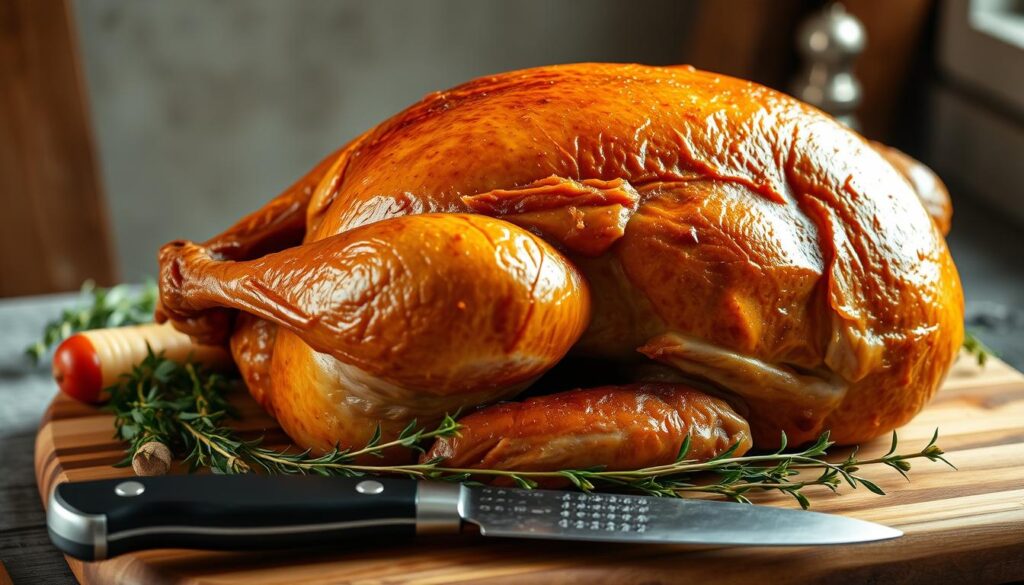
Preparing a roasted turkey for your holiday dinner needs precision and care. Your Cajun turkey will become a delicious centerpiece with these expert roasting techniques.
Begin by taking your turkey out of the fridge 1 hour before roasting. This ensures even cooking and avoids temperature shock. Put your seasoned turkey in a preheated oven at 325°F (163°C). This is the best temperature for a perfectly roasted turkey.
- Prep your roasting pan with a rack to elevate the turkey
- Add aromatics like onions and herbs to the bottom of the pan
- Position the turkey breast-side up for optimal heat circulation
Roasting times depend on your turkey’s weight. Generally, plan for about 15 minutes per pound. For a 10-pound turkey, you’ll need around 2.5 hours of cooking.
| Turkey Weight | Estimated Roasting Time | Internal Temperature Goal |
|---|---|---|
| 8-10 pounds | 2-2.5 hours | 165°F |
| 12-14 pounds | 3-3.75 hours | 165°F |
| 16-18 pounds | 4-4.5 hours | 165°F |
Baste your Cajun turkey every 30-45 minutes to keep it moist. Use the pan drippings or melted butter for extra flavor. If the skin browns too quickly, cover it with aluminum foil to prevent burning.
Your thanksgiving recipe is almost ready! Check the turkey’s internal temperature with a meat thermometer. When it hits 165°F, take it out and let it rest for 20-30 minutes before carving.
Monitoring and Testing for Doneness
Cooking the perfect roasted turkey for Thanksgiving needs precision and attention. Knowing when your turkey is done can make a big difference. It can turn a dry bird into a juicy, delicious meal.
To get your Cajun turkey just right, you can’t just watch the clock. You need to use different methods to make sure it’s cooked perfectly.
Temperature Checkpoints
The best way to check if your turkey is ready is with a meat thermometer. Stick it into the thickest part of the thigh, but not into the bone. The turkey should reach an internal temperature of 165°F (74°C).
- Thigh temperature: 165°F (74°C)
- Breast temperature: 160°F (71°C)
- Wing temperature: 165°F (74°C)
Visual Indicators of Readiness
There are also visual signs to look for when preparing your Thanksgiving turkey:
- Clear juices when piercing the meat
- Legs move easily when wiggled
- Golden-brown skin with crispy edges
Resting Period Guidelines
After taking your turkey out of the oven, let it rest for 20-30 minutes. This important step lets juices spread evenly, making your turkey moist and tasty.
- Small turkey (10-14 lbs): 20 minutes rest
- Large turkey (15-20 lbs): 30 minutes rest
While the turkey rests, cover it loosely with aluminum foil. This keeps it warm without trapping too much steam.
Making Authentic Cajun Turkey Gravy
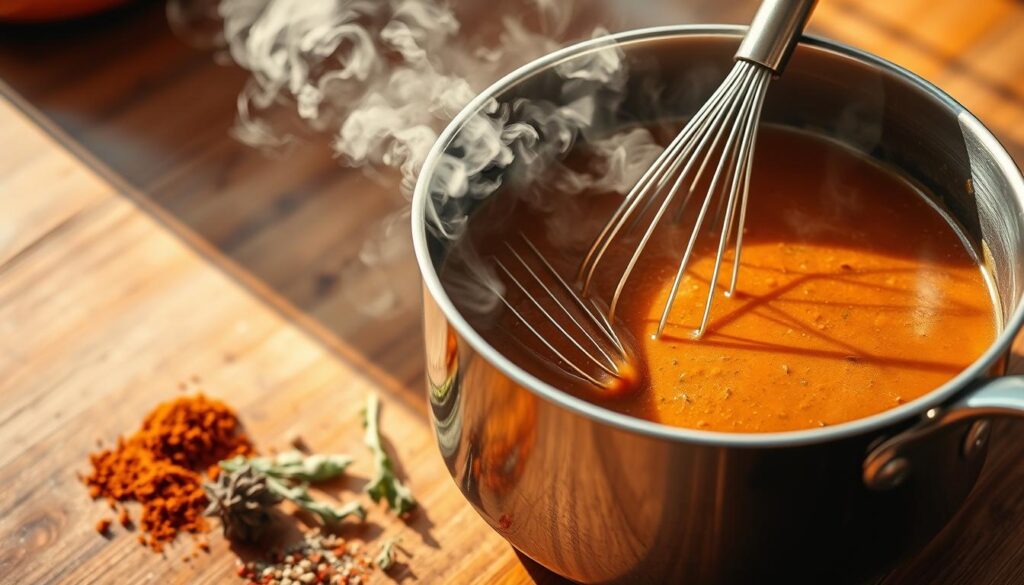
Making the perfect turkey gravy is key to a great holiday dinner. It turns your meal into a memorable feast. The secret is in the rich, flavorful drippings from your turkey, mixed with Southern seasonings.
First, collect the pan drippings right after roasting your turkey. Strain them through a fine-mesh sieve to get rid of solids. This makes your gravy smooth.
- Separate the fat from the drippings using a fat separator
- Prepare a roux using equal parts flour and reserved turkey fat
- Incorporate the Cajun holy trinity: bell peppers, onions, and celery
Building layers of flavor is crucial for authentic turkey gravy. Whisk your roux until it’s deep golden brown. This gives your sauce a rich, nutty taste.
| Ingredient | Quantity | Purpose |
|---|---|---|
| Turkey drippings | 1 cup | Base flavor |
| Cajun seasoning | 2 tablespoons | Spice and depth |
| Chopped vegetables | 1/2 cup | Aromatic base |
For more flavor, add more Cajun seasoning. Whisk constantly to avoid lumps. This makes your gravy silky and smooth, perfect with your turkey.
Serving Suggestions and Pairings
Your Cajun turkey is the star of the holiday dinner. But, the right sides can make your meal even better. Traditional Cajun dishes will turn your Thanksgiving into a true Southern feast.
- Dirty Rice – A flavorful rice dish packed with ground meat and seasonings
- Corn Maque Choux – A creamy corn side dish with bell peppers and onions
- Smothered Green Beans – Slow-cooked with bacon and Cajun spices
For wine pairings, choose robust red wines that match the bold Cajun flavors. Zinfandel or Syrah pair well with spicy turkey. If you like white wine, a full-bodied Chardonnay can balance the dish’s intensity.
And don’t forget about leftovers! Use your Cajun turkey to make tasty po’ boy sandwiches or a hearty turkey gumbo. Your holiday dinner will be a memorable culinary adventure that celebrates Southern cooking traditions.
Conclusion
Your Cajun turkey recipe is more than just a holiday dinner centerpiece—it’s a culinary journey into the heart of Louisiana cuisine. By mastering this bold and vibrant dish, you’ll transform an ordinary meal into an extraordinary celebration of Southern cooking traditions.
The magic of a Cajun turkey lies in its ability to blend rich spices, innovative cooking techniques, and cultural heritage. Each bite tells a story of Louisiana’s diverse culinary landscape. It invites your family and friends to experience a truly unique flavor profile that goes beyond traditional roast turkey.
As you continue to explore and perfect your Cajun turkey recipe, remember that cooking is an art of personal expression. Don’t be afraid to experiment with seasonings, adjust heat levels, and make the recipe your own. The joy of preparing this dish comes from creating memories around a table filled with delicious food and shared laughter.
Whether you’re hosting a large family gathering or an intimate holiday dinner, a Cajun turkey will undoubtedly become a cherished tradition. It brings warmth and excitement to your meal. Embrace the spirit of Louisiana cuisine and let your culinary creativity shine.